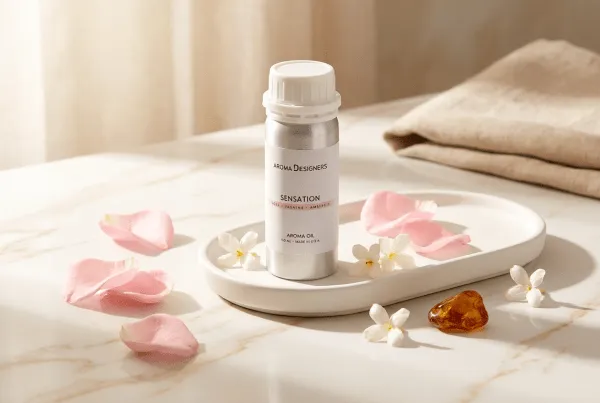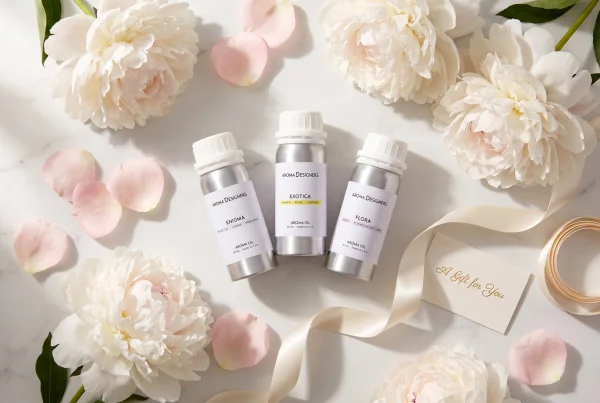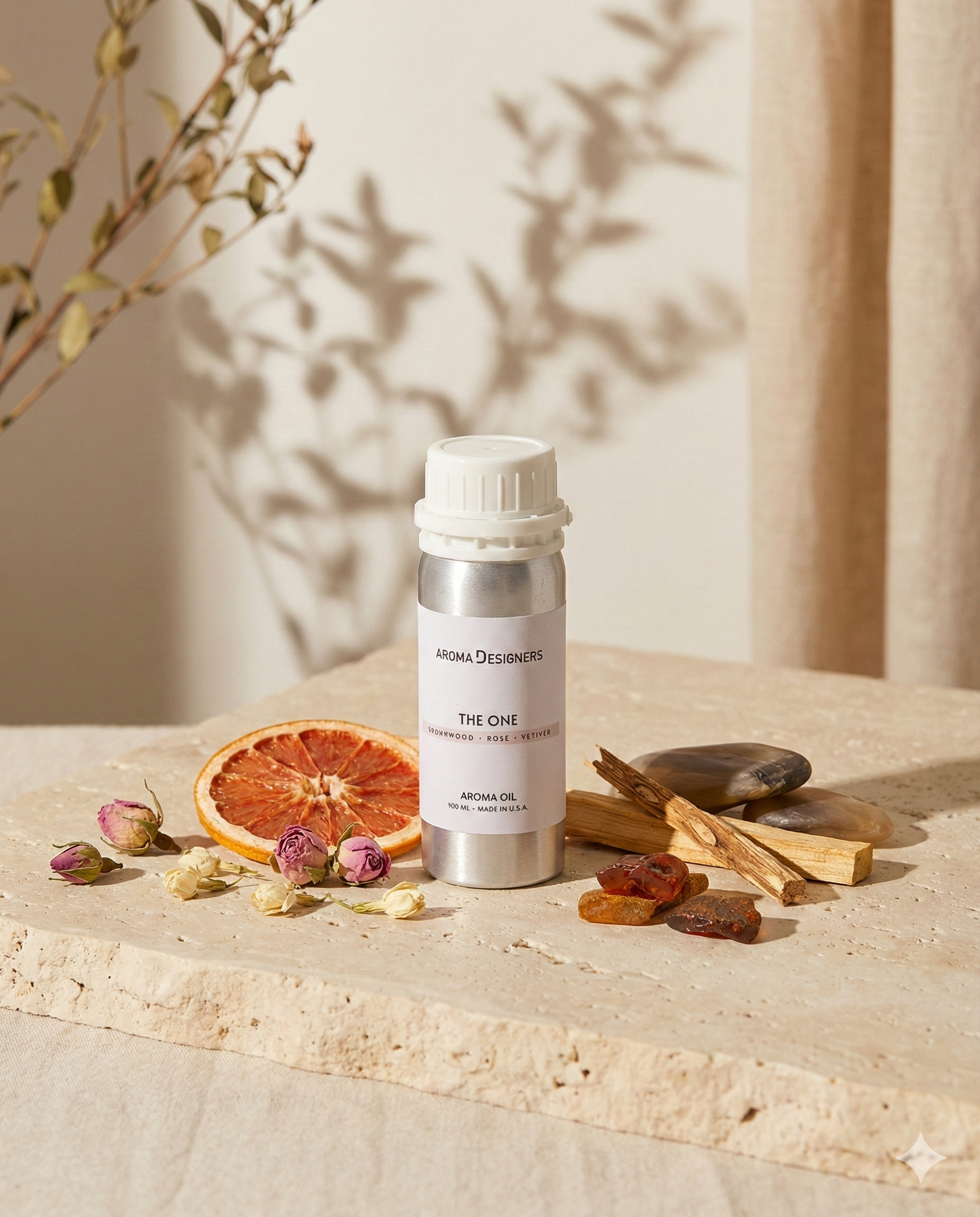
A signature scent is more than a fragrance — it’s an experience. Whether in a private home or a professional environment, the right scent becomes part of how a space is recognized, remembered, and felt.
As explored in our guide to sensory marketing, scent influences emotion and memory more directly than any other design element.
What Is a Signature Scent?
A signature scent is a carefully chosen fragrance used consistently to define a space. Unlike seasonal or decorative scents, it creates familiarity and emotional connection over time.
This approach has long been used in hospitality, as explained in hotel scent marketing strategies, and is now widely adopted in homes and businesses.
Step 1: Understand the Purpose of the Space
Before selecting a scent, define how the space should feel. Calm, focus, warmth, or freshness all point toward different fragrance profiles.
Homes often benefit from balanced, comforting aromas, while offices and retail environments may require cleaner, more neutral profiles. This distinction is discussed further in our home scenting solutions and business scenting guides.
Step 2: Choose the Right Fragrance Family
Signature scents typically fall into fragrance families that are versatile and widely appealing.
- Woody & Warm: Grounding and elegant, ideal for living spaces and executive offices.
Explore examples in our woody fragrance oils. - Clean & Fresh: Light, calming aromas suited for daily use and professional settings.
Popular in tea-based fragrance oils. - Soft Citrus & Floral: Uplifting without being overpowering, often used in hospitality and retail spaces.
Step 3: Consider Consistency Over Variety
One of the most common mistakes is changing scents too frequently. Consistency builds recognition and emotional comfort.
As discussed in luxury hospitality scenting, recognizable aromas outperform constant rotation.
Step 4: Match the Scent to the Right Diffusion System
Even the perfect fragrance can underperform if diffused incorrectly. Professional cold-air diffusion preserves fragrance integrity and distributes scent evenly.
Depending on space size, this may involve standalone diffusers or HVAC scenting solutions for whole-home or commercial coverage.
Step 5: Test, Adjust, and Refine
A signature scent should feel subtle and natural. Adjust diffusion intensity rather than changing fragrances entirely.
This refinement process is why many clients choose professional guidance when creating a long-term scent strategy.
Frequently Asked Questions
Can one signature scent work for multiple rooms?
Yes. A single fragrance can be used throughout a space, with diffusion levels adjusted by area.
Is signature scenting suitable for businesses?
Absolutely. Offices, retail stores, hospitality venues, and medical practices use signature scents to support brand identity and comfort.
How long does it take to establish a signature scent?
Most spaces establish scent recognition within a few weeks of consistent diffusion.
Create a Scent That Defines Your Space
Choosing a signature scent is about intention, consistency, and balance. When done correctly, it becomes part of the identity of a space — felt more than noticed.
If you’d like guidance selecting the right fragrance and diffuser, you can book a free scent consultation with the Aroma Designers team.